
Four-Season Sunrooms
Enjoy your sunroom every day of the year with fully insulated four-season construction designed for Arizona climate extremes.
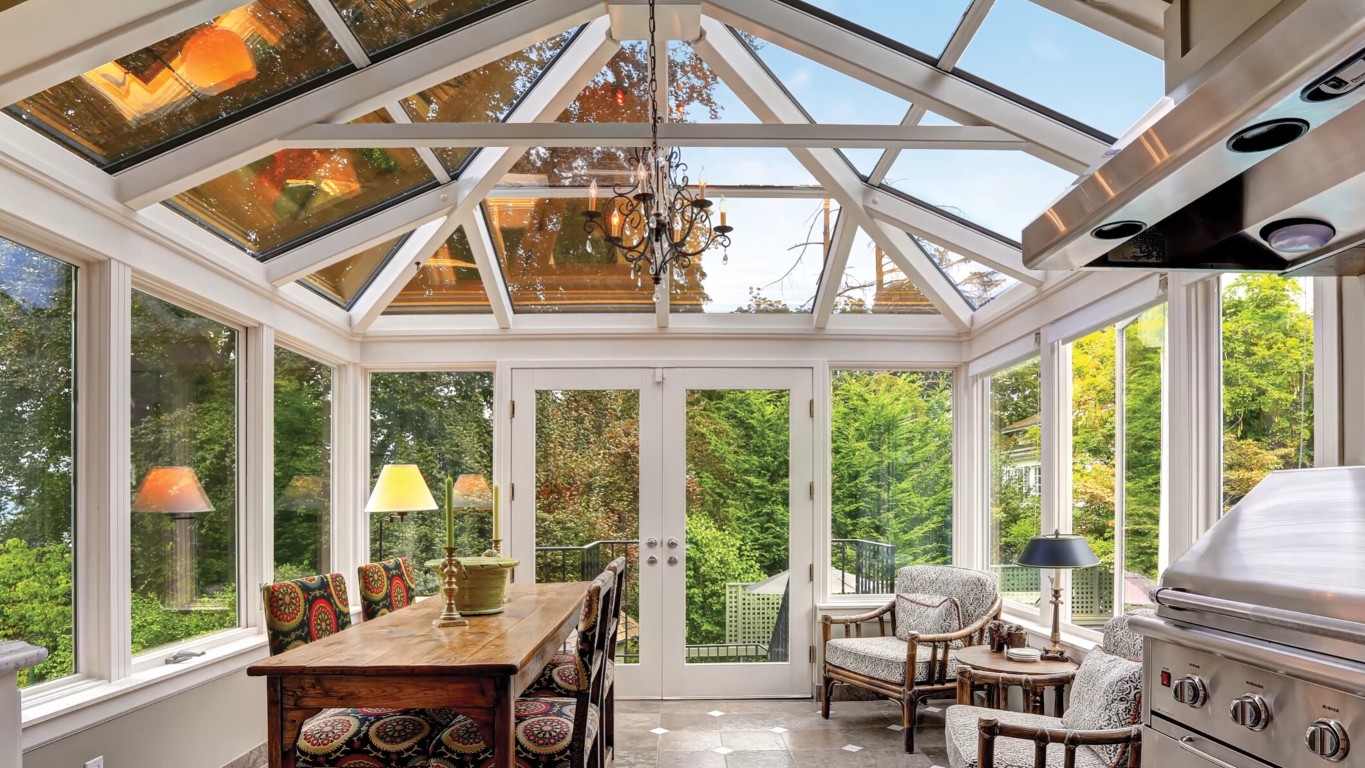
A four-season sunroom gives you comfortable living space that you can use all year long. Unlike three-season rooms that become too hot in summer or too cold in winter, your four-season space stays comfortable no matter what the thermometer says outside. You can enjoy your morning coffee in January, read a book during July afternoons, or host dinner parties any month of the year. The secret lies in the construction. Four-season sunrooms use insulated walls, energy-efficient glass, and proper climate control to maintain comfortable temperatures year-round.
Arizona presents unique challenges for four-season construction. Summer temperatures exceed 115 degrees while winter nights can drop below freezing. Your sunroom must handle this extreme range while keeping energy costs reasonable. We design every four-season sunroom with Arizona conditions in mind. Thermal breaks in the frame prevent heat transfer. Low-E glass coatings reflect summer heat while retaining winter warmth. Proper insulation fills walls and ceiling spaces. The result is a room that feels like a natural extension of your home, not an uncomfortable add-on. Interested in learning more? Contact LightWave Surprise Sunrooms to discuss your four-season project.
What Makes It Four-Season
The difference between a four-season sunroom and a three-season room comes down to construction details that impact comfort and usability. Four-season construction includes features specifically designed to maintain comfortable temperatures in extreme conditions. Here is what sets four-season rooms apart:
- Insulated Roof System: Four-season sunrooms use insulated roof panels rather than just glass or simple coverings. These panels contain foam insulation that prevents heat gain in summer and heat loss in winter. The roof becomes a thermal barrier just like your home roof.
- Thermally Broken Frames: Standard aluminum frames conduct heat and cold directly through the metal. Thermally broken frames include a non-conductive material between interior and exterior aluminum. This break stops temperature transfer and dramatically improves comfort.
- Energy-Efficient Glass: Four-season installations use high-performance glass packages with Low-E coatings and sometimes argon gas fills. These glass systems block heat while allowing visible light, keeping your space bright but not hot.
- Climate Control: Most four-season sunrooms include heating and cooling systems. You might extend your home HVAC into the space, install a ductless mini-split system, or use other climate control options. The key is having the ability to heat and cool as needed.
- Proper Sealing: Every joint, seam, and connection gets sealed to prevent air infiltration. Drafty rooms waste energy and feel uncomfortable. Four-season construction emphasizes air-tight assembly throughout the structure.
These features work together to create a space that maintains comfortable temperatures efficiently. You use less energy than heating or cooling a poorly insulated space. The room stays comfortable without constant adjustment. A well-built four seasons solarium becomes a true extension of your living space rather than a fair-weather room you only use part of the year.
Design Flexibility
Four-season construction does not limit your design options. You can still choose the size, shape, and style that fits your home and property. Rectangular, L-shaped, or custom configurations are all possible. The room can attach to any side of your house where conditions allow. Window arrangements range from floor-to-ceiling glass panels to more traditional wall sections with standard windows.
Interior finishing matches your preferences. Install the same flooring as your main house for a seamless transition. Add trim and molding that coordinates with existing rooms. Include electrical outlets, lighting fixtures, and ceiling fans just like any interior space. Some homeowners add entertainment systems, wet bars, or workout equipment. Others create quiet reading nooks or home offices with abundant natural light. The best four seasons sunrooms give you a blank canvas to create exactly the space you want. Need help deciding between room types? Compare our three-season sunroom options to understand which construction type fits your needs and budget.
Cost Considerations
Four-season sunrooms cost more than three-season construction because of the additional materials and features required. Insulated roof panels, thermally broken frames, and high-performance glass all add to the initial investment. Climate control systems represent another expense whether you extend existing HVAC or install dedicated heating and cooling. Foundation requirements might be more substantial to meet building codes for conditioned space.
However, the additional cost buys you year-round usability and better energy efficiency. You gain living space that functions every day rather than sitting empty during temperature extremes. Lower operating costs offset some of the initial expense. The room adds more value to your home because potential buyers recognize true four-season space as more valuable than fair-weather additions. When you calculate cost per day of actual use, 4 season rooms often make more sense than cheaper alternatives that sit unused much of the year.
Climate Control Options
Several approaches work for heating and cooling your four-season sunroom. The best choice depends on your existing home systems, sunroom size, and budget. Extending your central HVAC system works well if your current system has capacity for the additional square footage. This approach provides familiar operation and maintains consistent temperature throughout your home and sunroom.
Ductless mini-split systems offer another popular option. These systems mount on the wall and provide both heating and cooling without running ductwork. They operate efficiently and give you independent temperature control for the sunroom. Installation is relatively simple compared to extending central systems. Some homeowners choose portable or space heaters for occasional winter use combined with ceiling fans for air circulation in other seasons. We discuss all options during your consultation and recommend systems that fit your specific situation. Looking for something simpler? Our screen room installations provide outdoor enjoyment without climate control costs.
Maintenance and Longevity
Four-season sunrooms require minimal maintenance when built with quality materials and proper construction techniques. The aluminum frames never need painting and resist corrosion in Arizona conditions. Clean the glass periodically just like your home windows. Check weather stripping annually and replace if you notice drafts. Keep the roof clear of debris and inspect for damage after severe weather.
A well-built four seasons room lasts for decades. The structure remains solid and functional with basic care. You might update interior finishes or refresh paint colors, but the core sunroom continues performing year after year. This longevity makes four-season construction a sound investment. You are building a permanent addition to your home rather than a temporary structure that needs replacement or major repairs after a few years.
Ready for Year-Round Sunroom Comfort?
Let us show you how a four-season sunroom can expand your living space and provide enjoyment every day of the year. Contact us for a free consultation and detailed quote.